Tesla Model X Parts Guide – What Fails Most? (UK Owner’s Complete Guide)
Tesla Model X Parts Guide – What Fails Most?
The Tesla Model X is one of the most advanced electric SUVs on the road, known for its performance, technology, and iconic falcon-wing doors. However, like any vehicle, it has components that wear out or fail over time—especially under UK driving conditions.
If you own or plan to own a Model X, understanding which parts fail most often can save you thousands in repair costs and help you maintain peak performance.
This guide breaks down the most common failing Tesla Model X parts, symptoms to watch for, and the best replacement strategies.
Why Tesla Model X Parts Fail
Even though Tesla vehicles have fewer moving parts than traditional petrol cars, they still experience wear and tear due to:
- Heavy vehicle weight (battery load)
- UK road conditions (potholes, wet weather)
- Frequent acceleration (instant torque)
- Complex electronics and moving components
The Model X is especially prone due to its size and advanced features.
Most Common Tesla Model X Parts That Fail
1. Suspension Components (Control Arms & Bushings)
What fails:
- Upper control arms
- Lower control arms
- Suspension bushings
Symptoms:
- Knocking or squeaking noise
- Uneven tyre wear
- Poor ride comfort
Why it happens:
The heavy weight of the Model X puts extra strain on suspension components, especially on rough UK roads.
Solution:
Replace worn control arms with upgraded or reinforced versions to improve durability.
2. Falcon Wing Door Sensors & Mechanisms
What fails:
- Door sensors
- Actuators
- Wiring systems
Symptoms:
- Doors not opening/closing properly
- Warning errors on dashboard
- Slow or jerky movement
Why it happens:
The complex design of the falcon-wing doors makes them more prone to mechanical and sensor issues.
Solution:
Regular calibration and replacing faulty sensors early prevents larger failures.
3. Door Handles
What fails:
- Motorised door handle mechanism
Symptoms:
- Handles not presenting
- Stuck or slow movement
Why it happens:
Frequent use and exposure to moisture (common in the UK climate).
Solution:
Upgrade to improved aftermarket handles with stronger internal components.
4. Air Suspension System
What fails:
- Air struts
- Compressor
- Valves
Symptoms:
- Car leaning to one side
- Suspension warning alerts
- Rough ride
Why it happens:
Air suspension systems are complex and wear out over time, especially in colder climates.
Solution:
Replace faulty air struts or convert to coil suspension (long-term reliability option).
5. HEPA Cabin Air Filter
What fails:
- Cabin air filtration system
Symptoms:
- Reduced airflow
- Bad odours
- Increased cabin dust
Why it happens:
UK pollution and moisture clog filters faster than expected.
Solution:
Replace every 12–18 months for optimal air quality.
6. Brake Components (Pads & Rotors)
What fails:
- Brake pads
- Brake discs
Symptoms:
- Squeaking noise
- Reduced braking performance
- Vibration when braking
Why it happens:
Although regenerative braking reduces wear, corrosion from infrequent use can damage components.
Solution:
Use high-quality brake parts designed for EVs.
7. 12V Battery
What fails:
- Low-voltage battery
Symptoms:
- Car not starting systems
- Warning messages
- Electrical glitches
Why it happens:
The 12V battery supports electronics and degrades over time.
Solution:
Replace every 3–4 years proactively.
8. MCU (Media Control Unit)
What fails:
- Infotainment system memory
Symptoms:
- Screen lag or freezing
- Black screen
- System rebooting
Why it happens:
Older Model X units suffer from memory chip wear.
Solution:
Upgrade to newer MCU versions for better performance.
Cost of Common Tesla Model X Repairs (UK)
| Part | Estimated Cost (UK) |
|---|---|
| Control Arms | £150 – £400 |
| Air Suspension | £500 – £1,500 |
| Door Handles | £100 – £300 |
| Brake Pads | £120 – £350 |
| Cabin Filter | £30 – £90 |
Prices vary depending on OEM vs aftermarket parts.
OEM vs Aftermarket Tesla Parts – What Should You Choose?
OEM Parts
- Direct from manufacturer
- Guaranteed compatibility
- Higher cost
Aftermarket Parts
- More affordable
- Often improved durability
- Wider availability in the UK
- For most repairs,quality aftermarket parts offer better value.
How to Prevent Tesla Model X Part Failures
- Regular suspension checks
- Replace filters on schedule
- Keep software updated
- Inspect brakes even if rarely used
- Address small issues early
Preventative maintenance is key to avoiding expensive repairs.
Where to Buy Tesla Model X Parts in the UK
When buying parts, look for:
- UK-based suppliers (faster shipping)
- Warranty options
- Compatibility with your Model X year
Long-term performance.
Final Thoughts
The Tesla Model X is a powerful and innovative vehicle, but like any car, it has known weak points. By understanding what fails most—and acting early—you can:
- Reduce repair costs
- Improve vehicle lifespan
- Maintain top performance
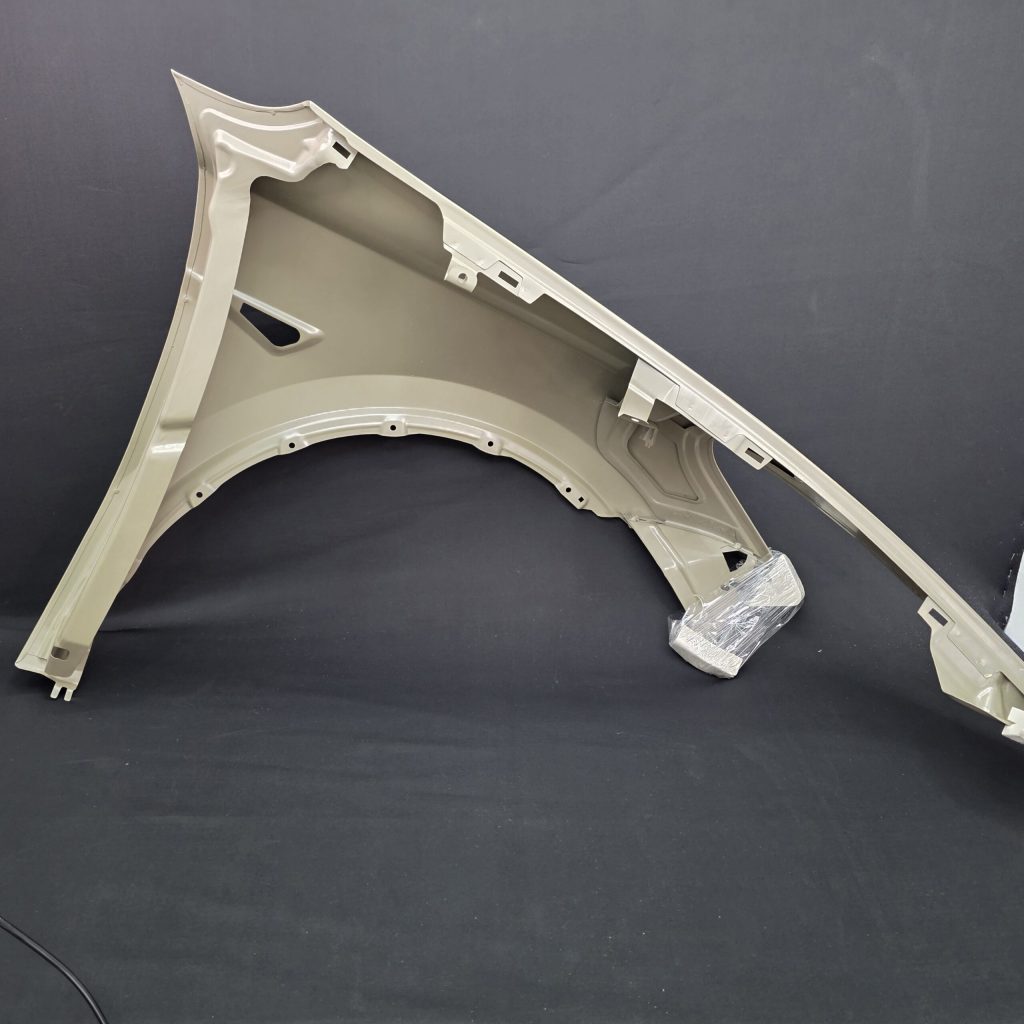
Compatibility: Evosamp parts are designed specifically to fit Tesla vehicles, including Model X
Value: Aftermarket options are often more affordable than official parts
Availability: Wider selection compared to official service channels
We are happy to help – Contact us if you have any questions regarding parts .